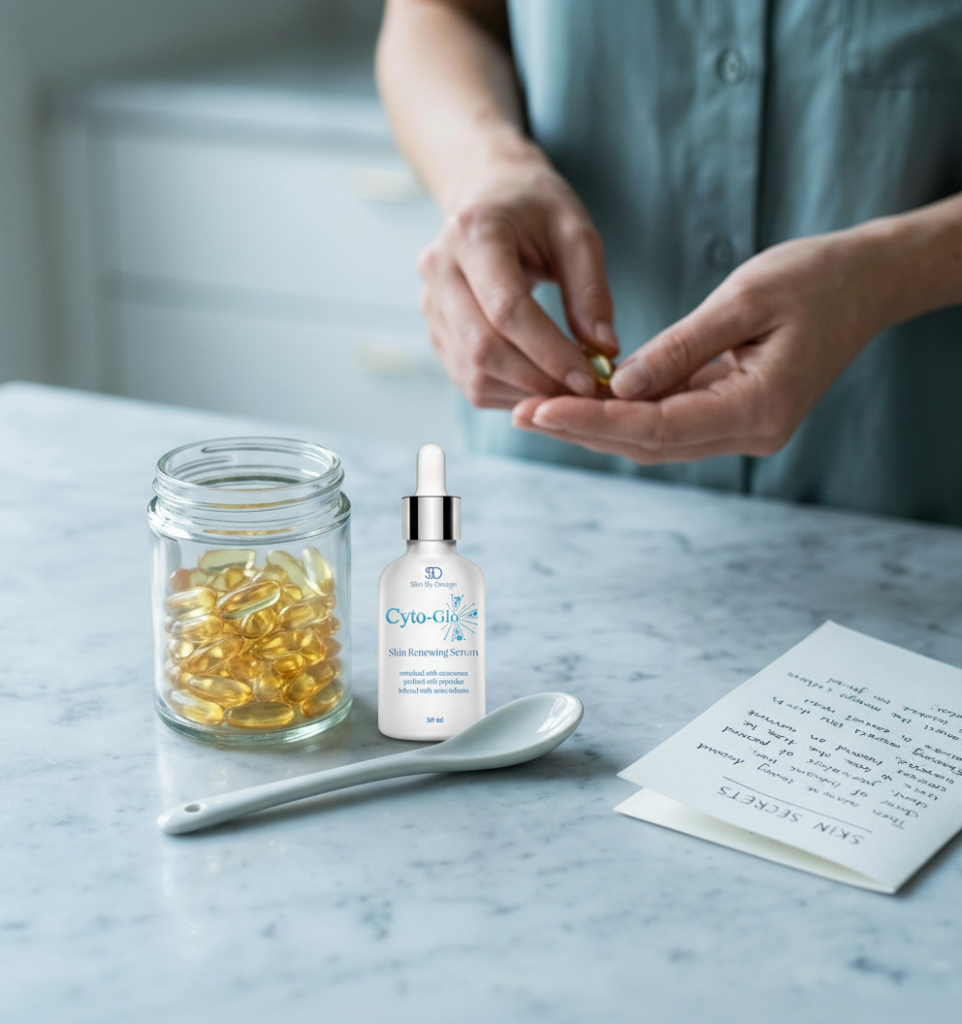
Here's what your dermatologist might not be telling you: while they're busy selling you $200 serums and booking you for expensive procedures, there's a simple nutrient that could be doing heavy lifting for your skin texture and anti-aging goals. We're talking about omega-3 fatty acids, and the science behind their skin benefits is absolutely mind-blowing.
Don't get me wrong, I'm not anti-dermatologist (some of my best friends are derms!), but the beauty industry has a funny way of making simple solutions feel… well, less profitable. So let's dive into what omega-3 for skin can actually do, and why this might be the missing piece in your anti-aging routine.
The Cell Membrane Revolution You Never Heard About
Think of your skin cells like tiny water balloons. When those balloons have strong, flexible walls, they hold water beautifully and look plump and smooth. When the walls get weak? Everything starts to deflate, wrinkle, and lose that bouncy resilience we associate with young skin.
Omega-3 fatty acids literally strengthen these cellular walls. They integrate into your skin cell membranes, making them more flexible and better at holding onto moisture. This isn't just theory, research shows that omega-3s enhance the skin's ability to retain water at the cellular level, which translates directly to improved hydration and reduced appearance of fine lines.
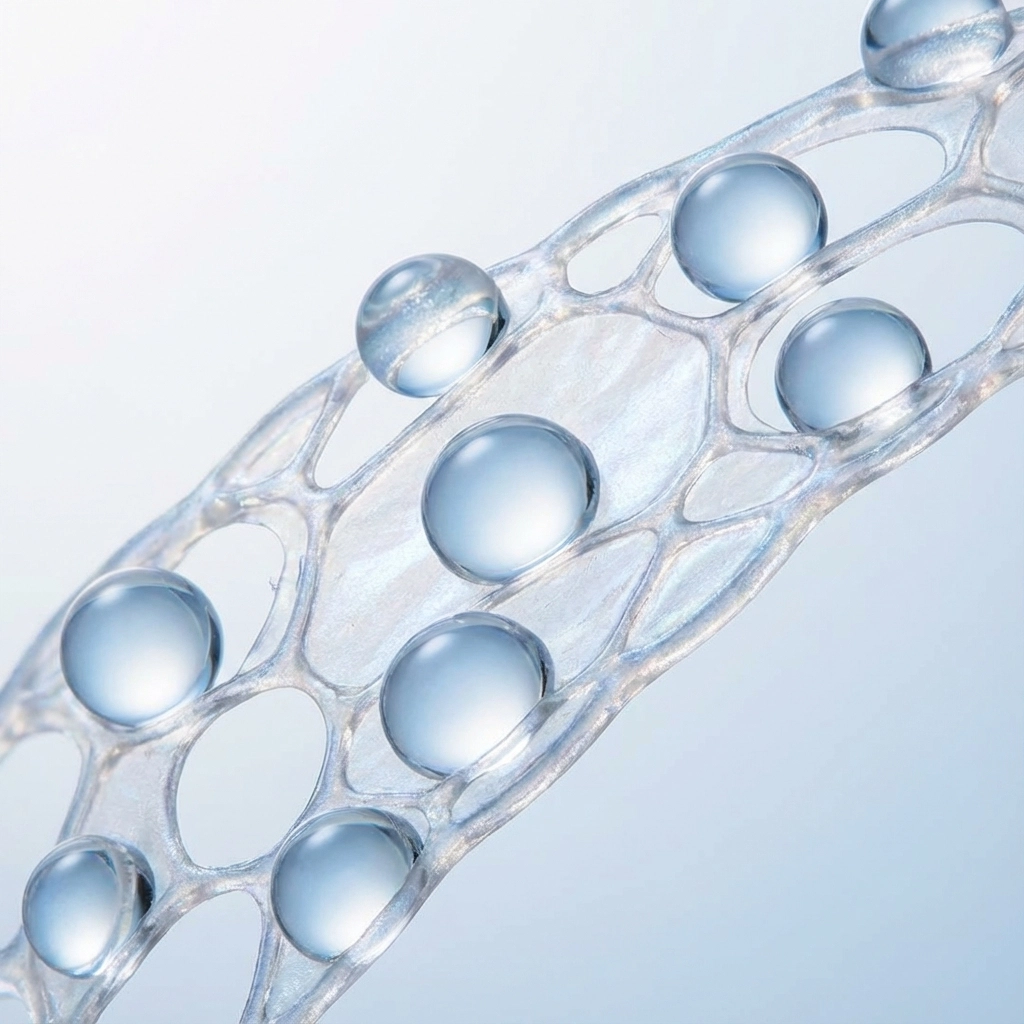
But here's where it gets interesting: this isn't just about drinking more water or slapping on a moisturizer. You're actually changing the structural integrity of your skin from the inside out. When your cell membranes are stronger, they create a better barrier against environmental damage and maintain that coveted plumpness that makes skin look younger.
Why Your Skin Texture Complaints Might Be Inflammation in Disguise
Ever wonder why some people's skin just looks… smoother? Like they have this effortless, soft texture that no amount of exfoliation seems to give you? The secret might be inflammation, or rather, the lack of it.
Omega-3s are inflammation-fighting powerhouses. They get metabolized into specialized compounds called resolvins, protectins, and maresins (fancy names for inflammation-busters) that actively calm down angry skin at the cellular level.
This matters more than you might think for skin texture improvement. That roughness, those little bumps, the overall uneven feel, a lot of that comes from low-grade inflammation that's happening beneath the surface. When you reduce that inflammation with omega-3s, skin naturally becomes:
- Softer and smoother to the touch
- More even-toned and less reactive
- Better at healing from daily environmental stress
Research has even shown improvements in keratosis pilaris (those annoying little bumps on your arms) through omega-3 supplementation, thanks to these powerful anti-inflammatory effects.
The Anti-Aging Serum Connection That Changes Everything
Now here's where things get really exciting for those of us obsessing over anti-aging solutions. While you're layering on serums and treatments (which, yes, absolutely keep doing), omega-3s are working on a completely different level to support your skin's aging process.

They actually upregulate the production of structural proteins like filaggrin and loricrin, the building blocks that keep your skin's barrier strong and resilient. Think of it as giving your skin the raw materials it needs to maintain itself properly, rather than just treating the symptoms of aging.
Plus, omega-3s support your skin's natural ability to protect itself from UV damage and environmental stressors. While they're not a replacement for sunscreen (please keep wearing SPF!), they're like giving your skin an internal shield that helps it bounce back from daily damage more effectively.
The Method That Actually Works (And Why Most People Get It Wrong)
Here's the thing about omega-3 for skin: most people either don't take enough, don't take it consistently, or don't combine it effectively with their existing skincare routine. A comprehensive review of 38 studies found clear benefits for skin health, but only when people actually stuck to proper supplementation protocols.
The sweet spot seems to be consistency over intensity. You're better off taking a moderate amount of high-quality omega-3s every single day than sporadically downing massive doses and hoping for miracles.
What actually works:
- Daily supplementation with a quality omega-3 source (fish oil, algae oil, or dietary sources)
- Pairing with topical treatments that support cellular repair
- Giving it time: skin cell turnover takes 28-40 days, so expect to see changes over weeks, not days
How to Supercharge Your Results with Advanced Skincare
This is where the magic really happens. While omega-3s are working internally to strengthen your skin's foundation, you can amplify these benefits with targeted topical treatments that work on the same cellular pathways.
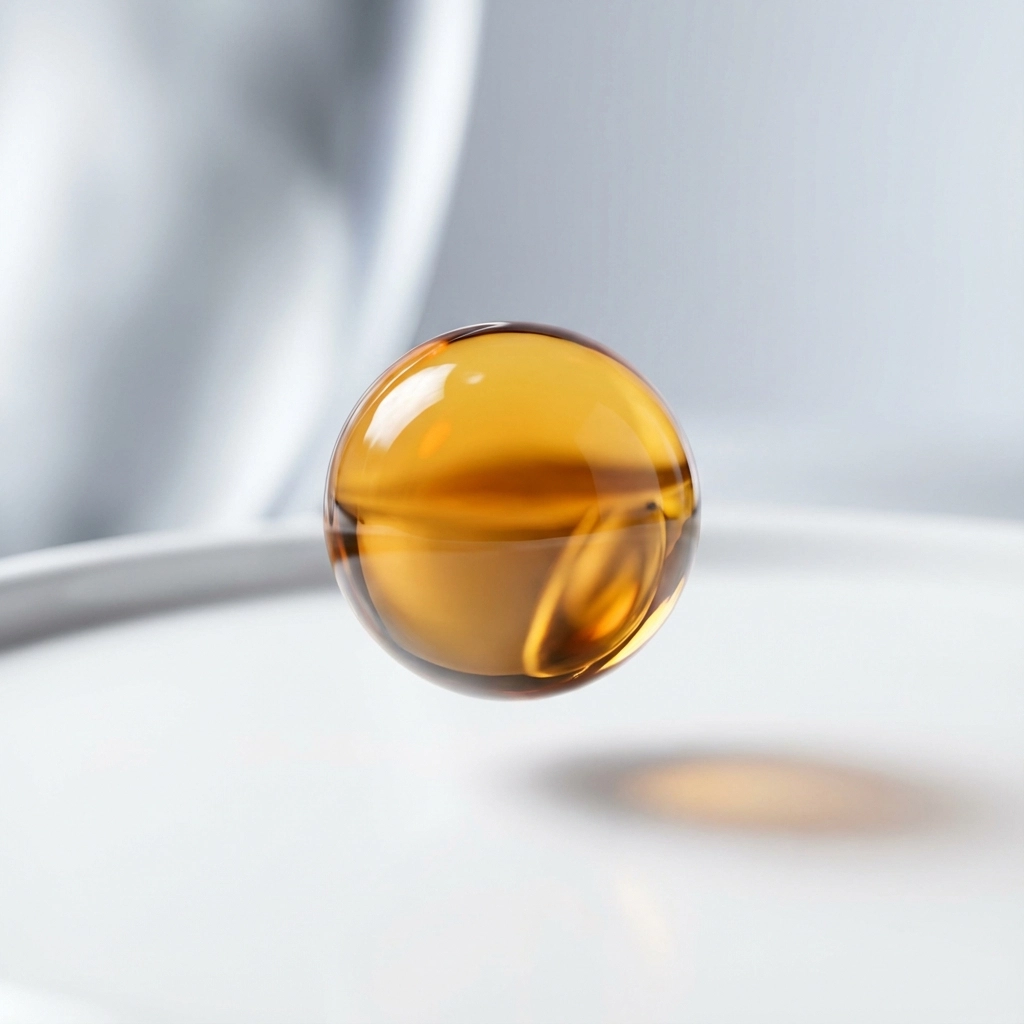
Exosome-based serums, for example, deliver cellular communication factors directly to skin cells, essentially turbocharging the repair processes that omega-3s support internally. When you combine internal omega-3 nutrition with external cellular regeneration technology, you're hitting anti-aging and texture improvement from multiple angles.
The Cyto-Glo Skin Renewing Serum works beautifully with this approach, delivering lab-developed exosomes, peptides, and antioxidants that support the same cellular processes that omega-3s enhance from within. It's like giving your skin a complete renovation: structural support from omega-3s plus targeted repair signals from advanced topical treatments.
The Texture Transformation Timeline You Can Expect
Let's be real about what omega-3s can and can't do for your skin. This isn't going to give you overnight results like a strong retinol might, but the changes you'll see tend to be more sustainable and natural-looking.
Weeks 2-4: You'll likely notice improved skin hydration and a softer feel to your complexion. The inflammatory improvements often show up first.
Weeks 6-8: This is when texture improvements really become noticeable. Skin tends to look smoother, more even, and less reactive to environmental stressors.
3+ months: The anti-aging benefits become more apparent. Fine lines may look less pronounced, and overall skin resilience improves noticeably.
The key is not stopping when you start seeing results. These benefits compound over time, and consistency is absolutely crucial for maintaining the cellular improvements omega-3s create.
Why This Works Better Than Going It Alone
The beauty industry loves to sell single-ingredient solutions, but your skin is way more complex than that. Omega-3s work so well for skin texture improvement and anti-aging because they address fundamental cellular health rather than just surface-level concerns.
When you combine omega-3 supplementation with a well-designed skincare routine that includes cellular regeneration technology, you're essentially creating an optimal environment for healthy, resilient skin. The omega-3s provide the building blocks and reduce inflammation, while advanced topical treatments like exosome serums deliver targeted repair signals directly where they're needed.
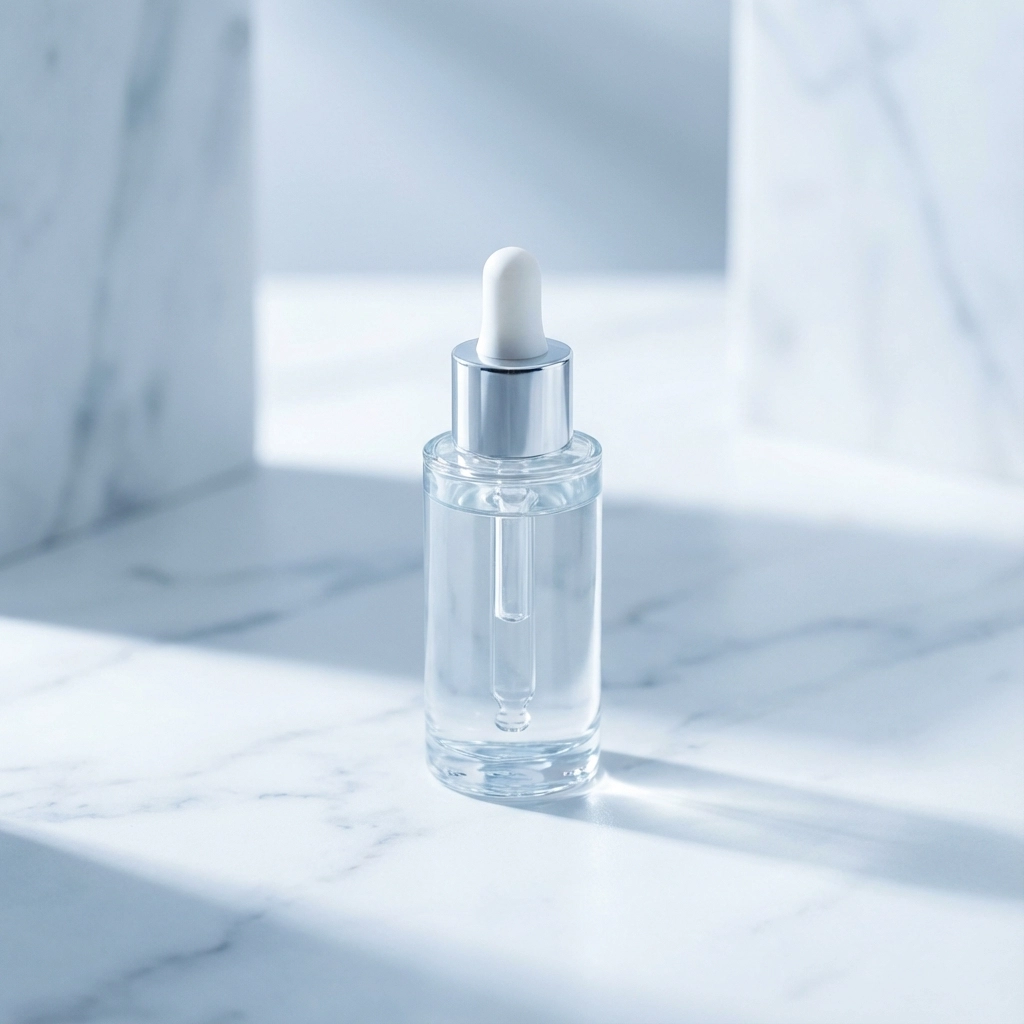
This synergistic approach is why many people see better results from combining internal and external treatments than they ever got from expensive procedures alone. You're not just treating symptoms: you're actually improving your skin's ability to maintain itself.
The Bottom Line on Omega-3 for Skin
The research is clear: omega-3 fatty acids offer legitimate, measurable benefits for skin texture, hydration, and aging. They're safe, affordable, and work on multiple levels to support healthy skin function. While they're not going to replace your entire skincare routine, they're an incredibly valuable addition that can amplify the results you're already getting.
The "secret" isn't really that dermatologists don't want you to know about omega-3s: it's that the beauty industry often overlooks simple, scientifically-backed solutions in favor of more complex (and profitable) treatments. But when you understand how omega-3s actually work at the cellular level, it becomes pretty obvious why they deserve a spot in any serious anti-aging routine.
Start with quality supplementation, be consistent, and consider pairing with cellular-focused topical treatments for the best results. Your skin: and your wallet( will thank you.)